Guide · 3 October 2026
Mix first. Master what you believe.
Artists ask for mastering when they need a mix, and ask for a mix when the vocal simply has to be sung again. Here is the distinction we use at SN7.
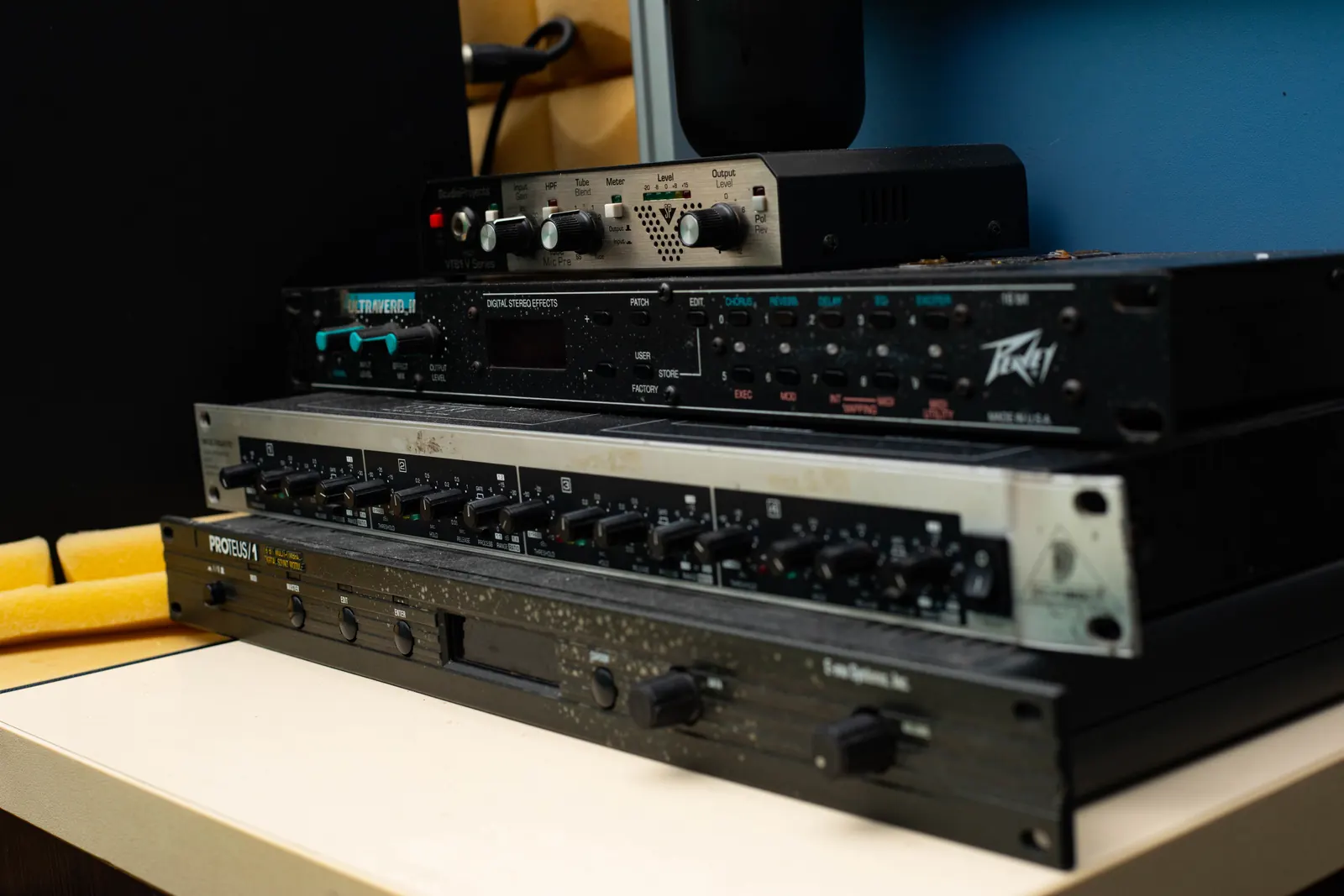
Mixing and mastering are neighbours. They are not synonyms. Mixing is the balance of the separate tracks: vocal level, choir blend, drum weight, bass control, effects, and automation. Mastering is the last treatment of the stereo file you have already approved: tonal balance of that file, level, peak control, and the exports a distributor or a playback system expects.
Signs you need a mix
- You still have separate tracks, and the vocal loses to the beat.
- The choir is a wash and the solo cannot step out of it.
- The low end is a single mud, kick and bass occupying the same space.
- You are embarrassed by the rough and you have been “fixing it” with a stereo limiter.
A limiter on a rough mix is not mastering. It is a disguise. Send the multitracks. Label them. Include a bounce of the rough so we can hear what you thought you wanted. If the lead vocal was never in tune or never in time, say so. Mixing can support a performance. It should not be hired to hide a take you already know is wrong. That is a return to recording.
Signs you need a master
The balances make you happy on more than one pair of speakers. The vocal is the right distance from the choir. You can hear the words in the car. You have a wav with headroom, not a file smashed into the ceiling. At that point, mastering gives the release a stable level and a final tone. For streaming, we pay attention to integrated loudness and true peak so the platform is not forced to damage the chorus. Many gospel songs also need a louder playback version for a service or a car that will never see a streaming normaliser. Those are two files. Ask for both if you need both.
What “gospel” changes
The change is priority, not a secret plugin. Congregational songs and Christian singles live or die on the lyric and the lead line. A mix that is impressive and unintelligible has failed this studio’s standard. Width, drums, and ad-libs stay, placed so they carry the line rather than replace it. When you send notes, write them as sentences a singer would understand: “the chorus vocal is late against the clap at 1:12”, not “make it hit”.
An EP should be mastered as a sequence so song two does not shout after song one. A single can be one decision. Tell us which release this is. Then live with the approved mix before you demand the master on the same evening. Sleep is cheaper than a recall.
Questions this guide usually raises
Can one person do both?
Yes. At SN7 the mix and the master can stay in the same studio. They are still separate stages, with a listen in between, so you are not approving balance and loudness in one exhausted sitting.
Why not master as loud as possible?
Streaming services turn excessive loudness down, and a crushed chorus hides the lyric. We set a streaming master and, when you need it, a separate louder playback file.
Next step
Use the guide, then book the day.
Send the file you have. We will tell you which stage it is actually ready for.
Find us
27 Bram Fischer Road, Durban.
SN7 Studio Records is a gospel recording studio. We record, mix, and film Christian music in isiZulu, English, and other South African languages.
27 Bram Fischer Road, Durban, 4001
074 224 1667
Main areas
The pin is 27 Bram Fischer Road, Durban. Sessions are by appointment.